

 Apple Podcasts
 Spotify
 Castro
 RSS Feed
 140: How to Support Your Immune System With a Mushroom Compound Backed by 100+ Studies
Most of the mushroom supplements you'll find on Amazon are ground-up fruiting bodies or myceliated grain in a capsule. AHCC is something entirely different. It's a patented fermented extract from shiitake mycelia that has been used in over 1,000 cancer clinics worldwide, backed by more than 100 published studies, and studied specifically for its effects on natural killer cells, HPV clearance, autoimmune conditions, and liver disease. I'd never heard of it until Mimi Lindquist introduced me to it.
Lindquist is the co-founder of The Medicine alongside her husband, Chase. She started as a clinical dental hygienist in Seattle, where she observed firsthand how oral health mirrors systemic health, and eventually followed a thread from a patient's HPV recovery all the way to a research compound developed at the University of Tokyo in 1986.
In this episode, Lindquist explains what AHCC actually is, how its manufacturing process makes it fundamentally different from any other mushroom product on the market, and why the clinical research behind it is unusually robust for a supplement.
The mechanism that makes AHCC interesting is that it doesn't just boost the immune system indiscriminately. It modulates it. For healthy individuals with normal NK cell counts, it doesn't artificially raise them. For people dealing with HPV, cancerous tumors, or autoimmune conditions where the immune system needs more information, it does. This adaptogenic quality is why AHCC can support both an overactive immune response (as in autoimmune) and an underactive one (as in immune suppression from chronic illness or aging) without contradicting itself.
I pushed back on this in the conversation because AHCC is a processed product that requires industrial manufacturing to produce, which doesn't fit neatly into an ancestral framework. Lindquist’s response was honest: if we were living 100 years ago without microplastics, glyphosate in the rain, and the chronic stress loads of modern life, we probably wouldn't need it. But that's not the world we live in, and the thousands of testimonials she's received from people who had tried everything else and found relief with AHCC are hard to dismiss.
Dosing is two capsules daily for general immune support, four for conditions like HPV, Lyme, or autoimmune, and six to eight for serious situations like tumors or advanced liver disease. Their product, Immune Intel AHCC, uses 750 milligrams per capsule with nothing else added.
About Mimi Lindquist:
Meagan (Mimi) Lindquist is the co-founder of The Medicin, alongside her husband Chase. With her background as a clinical dental hygienist, culinary nutrition guide, and AHCC educator, she has been helping others prevent disease for over 12 years. Now, Mimi has dedicated herself entirely to sharing the benefits of Immune Intel AHCC, a mushroom supplement unlike any other, to as many people as possible.
Instagram: https://www.instagram.com/mimi_themedicin/
Website: https://www.themedicin.com
Podcast: https://feeds.captivate.fm/themedicin/
[Discount Code]
Use code PRIMALSHIFT for 10% off Mimi's products → https://www.themedicin.com
Thank you to this episode’s sponsor, Peluva!
Peluva makes minimalist shoes to support optimal foot, back and joint health. I started wearing Peluvas several months ago, and I haven’t worn regular shoes since. I encourage you to consider trading your sneakers or training shoes for a pair of Peluvas, and then watch the health of your feet and lower back improve while reducing your risk of injury.
To learn more about why I love Peluva barefoot shoes, check out my in-depth review: https://michaelkummer.com/health/peluva-review/
And use code MICHAEL to get 10% off your first pair: https://michaelkummer.com/go/peluva
In this episode:
00:00 Intro
04:24 From dental health to holistic
07:47 Oral microbiome and inflammation
11:58 How AHCC entered her life
16:58 What AHCC actually is
19:17 Origins and NK cell research
28:13 Immune modulation explained
30:40 Fungal network intelligence
32:30 Primal vs processed supplements
36:15 Modern stress and immune support
40:10 Dosing for different needs
41:19 Kids and pets success stories
43:13 Industrial consistency vs foraging
47:37 How long until results
56:10 Final thoughts
Find me on social media for more health and wellness content:
-
Website: https://michaelkummer.com/
-
Pinterest: https://www.pinterest.com/michaelkummer/
-
Twitter/X: https://twitter.com/mkummer82
[Medical Disclaimer]
The information shared on this video is for educational purposes only, is not a substitute for the advice of medical doctors or registered dietitians (which I am not) and should not be used to prevent, diagnose, or treat any condition. Consult with a physician before starting a fitness regimen, adding supplements to your diet, or making other changes that may affect your medications, treatment plan, or overall health.
[Affiliate Disclaimer]
I earn affiliate commissions from some of the brands and products I review on this channel. While that doesn't change my editorial integrity, it helps make this channel happen. If you’d like to support me, please use my affiliate links or discount code.
140: How to Support Your Immune System With a Mushroom Compound Backed by 100+ Studies
Mimi Lindquist: Eczema seems to be really common amongst kids. Um, and you know, a lot of people have different views on like what causes that. And, um, this one particular customer user, she had tried everything in her mind. She had tried everything and her sister, who's a f- a friend of mine, told her about AHCC. She's like, "Just give it a try."
And so she, it was kind of her last ditch effort. And her, her son was just, his, his palms were just covered in eczema. Ugh. And his poor legs and arms were just covered. He like couldn't enjoy life because of this. Right. And, um, in two weeks of taking, uh, you know, a minimal dose, but, uh, he, he, he saw like 90% improvement and the mother sent me, um, images and I, I was just like, I, I had tears in my eyes.
I was just like so happy- ... for this little boy because something was off in his body. Yeah. She had tried altering his diet, you know, medications, s- um, uh, other supplements, oils, tinctures, nothing seemed to work. And so she really was like, um, you know, "This is life-changing for our family." Megan Mimi Lindquist is the co-founder of The Medicine alongside her husband Chase.
Together they provide high-potency, high-quality mushroom products to the world. And so they're looking at the health of the cervix and things like that. And so she had a positive result and her naturopath, naturopathic doctor recommended this, she told me, "This mushroom," uh, in quotes, um, that helped her clear her HPV.
She tested negative just a few months later. And I was so intrigued by this because I thought I knew something about mushrooms. I'm like, "Oh, which one is it? Like reishi, lion's mane, cordyceps?" And, and she was like, "AHCC." And I was like, "What is that? Like, I've never even heard of that." With her background as a clinical dental hygienist, culinary nutrition guide, and AHCC educator, she has been helping others prevent disease for over 12 years.
Now Mimi has dedicated herself entirely to sharing the benefits of Immune Intel AHCC, a mushroom product unlike any other, to as many people as possible. We really take that seriously, so I totally appreciate your question, and I can see the, the, the processing in your own mind. Like, "How do I ask this question in a way that doesn't sound insulting?"
And so like I don't... I, I have thought about this myself because I, I generally don't, if I'm gonna choose a natural food or a processed food, I obviously am gonna choose the natural. I, I don't say this lightly, AHCC is a life-changing health food supplement, you know, uh, compound, um, ally for a lot of people with all various different types of diseases and conditions, which we can obviously get into, but Welcome to the Primal Shift Podcast.
Michael Kummer: All right. Welcome back to the Primal Shift, and, uh, thanks so much Mimi for joining me today. Um, this is gonna be a very interesting episode f- for a number of reasons. Uh, number one is I've never dealt with the type of product that you are, that you started selling. Um, and also I've also never met anyone who went from, uh, dental health to immunity- Yeah
and specifically to mushrooms. Uh-huh. When I say mushrooms, I'm not talking about, you know, your lion's mane and, and all of those, you know, things that you find, you know, on Amazon and, and on many other places. No, this is a very specific mushroom compound that I had never heard before that has a lot of clinical studies behind it, which is very unusual for any type of supplement really, and specifically for something that deals with immunity.
Because immune support, you know, everybody claims to have immune support, right? I mean, even our own supplements, you know, they are immune supporting areas. But this one is, is different. It's, it's backed by clinical science. It's been used in a lot of clinics, and it's super interesting. It's one of those things where, you know, it works.
You know, you tr- you don't have to take your word for it. You know, there is, there is the science behind it to back all of that up. But maybe with that, we're gonna start with you, uh, Mimi Lindquist. That sounds very Scandinavian. Yes. Swedish. I think Scandinavian heritage. Yeah. Swedish. Uh-huh. Swedish. Yeah.
Mimi Lindquist: Yeah. I think some German in there as well, but Lindquist is, is Swedish, yes.
Michael Kummer: All right. All right. Very good. So y- you, your background is oral health- Mm-hmm ... dental health.
Mimi Lindquist: Yeah. Yeah. So I have my, uh, uh, bachelor's degree in dental health science and, and, uh, I'm a, a major tooth nerd at heart. Uh, I always will be.
Um, and yeah, I started as a dental hygienist, um, in, uh, Seattle, was where I worked, uh, for, for five years in private practice before my life took me on a different route. But yeah, I mean, I would say, you know, early on I just developed this real love, um, for n- really enrolling, helping enroll my patients in their oral health, yes, but overall health in general.
This was like kind of coincided with my own personal health journey. I had some, you know, health issues going on. Uh, really, it just came down to I was over-exercising and under-eating. Shocker. Um, and I had to find out the hard way, you know. I was like, "I feel like I'm so healthy. Like, why is my hair falling out?
Why is my skin blowing up in acne and all of these things, and why am I fainting at work?" And come to find out you're just not supposed to, you know, intermittent fast for a year straight as a 27-year-old fertile female. So- Yes ... that was my issue. But you know, all of that to say it really, you know, this discovery and this work kind of coincided with my own health journey of figuring out like, okay, what is real health?
And, and sort of asking these questions, not just like, how do I look in a swimsuit, but like- How do I feel on a daily basis? And so as I was doing this, you know, I was listening to all the podcasts, reading all the books. I was just like so hungry for this information. And so I would share that information with my, my patients, um, not only about their oral health and, and how, you know, we can get their teeth whiter and cleaner and gums healthier and stop bleeding and all of these things, but also how the oral health really is connected to and, um, and really important for your overall health.
I used to tell my patients like, "There's no wall separating your mouth from the rest of your body." In fact, when your gums are infected, that's like a mainline into your bloodstream. You know, if your gums are bleeding, if you have major plaque buildup, bacteria, if your breath is bad every day, like those are all si- signs and signals that your, your mouth is not healthy, which means that that bacteria is getting into, you know, your overall bloodstream, can go to your heart, you know, all of these like really important things.
And so, um, I was really into, um, you know, finding out holistic health for myself and then, you know, sharing this with my patients. And so I developed over these years a real love for education and, um, it really taught me how to alter my language and how I approach every different patient, right? Because they're all different types of people.
Yeah. And so it really was a great prereq- prerequisite for what I do now, which is more, you know, podcast education and, you know, my husband and I have our own podcast. Um, and so really educating, you know, my followers, the public, everyone I talk to in regard to, um, AHCC and, and mushrooms in general, um, you know, it really primed me for that, um, education side, which I'm very grateful for.
Yeah. Um, yeah, I think it was maybe five, six years or so ago, there was a holistic, um, natural dentist, um, who passed away unfortunately. He was already relatively old and, and developed cancer. I think he, he, he thought it was from, you know, all of the, the heavy metals that they dealt with in dental school, uh, at the time.
Mm-hmm. I'm not sure if that's still the case or probably not. But, um, he really opened my, my understanding to the connection between the microbiome in the mouth and the microbiome in the gut, and the inflammatory pathways that connect both of those systems. Mm-hmm. And that you cannot be metabolically healthy if there is inflammation in your mouth, in your gums, or the microbiome is off, then it also means most often that there is something wrong with the microbiome in your gut.
And of course, we all know that a lot of the immune response, your body's immune response is controlled or at least heavily influenced by what's happening in your gut and your gut health. And so I'm like, wow, this is really, you know, if you deal with inflammation, you know, the mouth might, is either an indicator or a contributing factor, you know?
Mm-hmm. So you always have to, or you, you know, you need to take this serious. Not just, oh, brush your teeth, otherwise your teeth are gonna fall out, but nothing else bad is gonna happen. No, if, if you have bad dental health, you're metabolically likely very unhealthy and there is systemic inflammation going on, and that's gonna then haunt you, you know, in the long run.
Mm-hmm. Yeah. And so this is really something I never fully appreciated until I heard it, uh, from, from, from this guy. And so, you know, now I pay very much attention to, you know, how is my, you know, my, my mouth looking? Is there any, you know, smell going on? What, you know, if I eat X, you know, what does that do to, you know, the taste in my mouth?
The, maybe, you know, the odor, maybe, you know, my, my gum bleeding if I, if I floss, et cetera. And if none of that is happening, like, okay, you know, if, if my mouth is fine, then chances are everything else is gonna... is, is fine too, right? Mm-hmm. Yeah. And there's a- And actually, yeah. Go ahead. Oh, go ahead. I was just gonna say, there, there is definitely a connection that I've observed through my own patients over, you know, working in thousands of, of mouths.
Mimi Lindquist: Um, I'm not trying to stereotype or anything, but when you look at someone who is, you know, fit generally, and you can tell that they, they challenge their body, whether that's, you know, at home or in the gym or they're, you know, they, they, they work out, they, they challenge their muscles on a regular basis.
Very, very rarely did I see just explosively inflamed- Mm-hmm ... gums and vice versa. If I had someone in my chair who was maybe obese or had, you know, um, you know, a lot of inflammation, you can just tell, or if they were a super heavy, you know, drinker, um, and you can, you can just see the inflammation in someone's face- Yeah
and body. V- I don't know if I ever saw someone who fits that generalization who had just, like, spick and span- Yeah ... beautiful white teeth, super tight pink gums. Um, it, it's weird how very often the gum and oral situation reflects sort of the outer package. Mm-hmm. Yeah. And I, I'm really, I'm trying to, I'm not trying to be rude or anything like that, but this was an observation that I- Yes
you know, there's, I'm not pointing to any sort of study or anything, but you do see, you know- Yeah ... a trend in, in, in people's overall health and body inflammation and what it looks like on the inside. Um, and that's just my, you know, observation. But, um- Yeah. No, I, I, I can, I think I've, you know, I, I've not seen that case either where someone is completely evidently metabolically unhealthy but has perfect, you know, dental health.
Yeah. You just, you, you don't really see it. Yeah. There's usually trends in people's lives and, um, that's definitely one. But, um, yeah, I, I am a huge advocate for, um, you know, teaching people about how to take care of their mouth and how that reflects in their overall health.
Michael Kummer: But hard cut, how does, how did that lead all to mushrooms?
Mimi Lindquist: Um Well, yeah. So like I said, I was, I was on my own health journey, so I was listening to all the, you know, The Model Health Show and Ben Greenfield and all of these major, um, players in the, you know, health podcasting world. This was back in 2017, '18. Um, and so I was really diving into, and, and they were all sponsored by Four Sigmatic and these mushroom companies- Mm-hmm
um, that a lot of people know of. And I really, you know, I started buying the supplements. I wanted to feel better and, you know, so I really kind of dove in just out of curiosity into lion's mane and sh- and, and, and reishi and cordyceps and, um, you know, uh, I, I found them fascinating. Um, and it was actually at my dental office where we had a, a patient in the office who was diagnosed with HPV later in life, um, like in her- Mm-hmm
I think she was in her late 50s or early 60s, and she got an HPV positive test. For, for your listeners, I'm sure everyone knows, but just HPV is human papillomavirus. It's, you know, one of the screens that you go through as a woman, um, when you go get a Pap smear. Mm-hmm. They usually pair the HPV test with a Pap, and so they're looking at the health of the cervix and things like that.
And so she had a positive result, and her naturopath- naturopathic doctor recommended this, she told me, this mushroom, uh, in quotes, um, that helped her clear her HPV. She tested negative just a few months later. And I was so intrigued by this because I thought I knew something about mushrooms, and I'm like, "Oh, which one is it?
Like reishi, lion's mane, cordyceps?" And she was like, "AHCC." And I was like, "What is that?" Like, I've never even heard of that. Um, and I, you know, got right on Google and I was kinda like, a little like ego was up against the wall. Like I thought I knew about health, you know? Mm-hmm. And, um, you know, come to find out this compound, um, has its own research organization.
It has over 100 published studies behind it. It's, you know, considered a health food supplement, a functional food supplement, and it has all of this research behind it, all of these amazing testimonials, anecdotal stories, and I just went down the rabbit hole, and this was 2017. And so almost 10 years later, I have not come out of that rabbit hole.
I am still on this major deep dive of learning about this compound. Um, and so is the rest of the world. It continues to be studied all over the world. Um, and so really that's how I first found out about it. I first heard of it, um, and then from there I ordered it myself. I started incorporating it into my own health journey.
Um, I was doing other things too, like, you know, reorganizing my relationship with food and exercise. Obviously, no supplement is going to change your life if you don't have those major pillars, right? Right. Yeah. So like I was doing a lot of different things, but over the course of the next few years, it was a major like kind of like, um, guiding north star for me because, uh, it made me feel so much better.
I was sharing about it to my clients, um, to my patients, and, um, then I started talking about it on Instagram And the patent holders reached out to me, got ahold of me, and, you know, they, they offered like, "Hey, do you wanna come to Japan and really check this thing out if you're getting serious about this education?"
And I was like, "Hell yeah." So, uh, went to Japan and saw the whole, you know, manufacturing process and, you know, we can get into like the manufacturing and, and you know why it's so different, but this is just how I got into the world of AHCC. And just little by little, slowly I kept saying yes to my intuition that this is something that I need to learn about and keep talking about.
Um, and it gradually, you know, I, I went from a full-time dental position to temping because I was doing this other education and business, and then it just slowly went towards this is my full-time deal. I have to let more people know about this. Um, and that developed, you know, into about, uh, 2019 right before the world blew up.
Yeah. Um, right before everyone started caring about immune health- ... in, uh, March of 2020. This was September of 2019. We finally, um, finalized our private label of Immune Intel AHCC. So that is what we now provide to people all over the world, um, and, and, you know, give this education and, and really it's been just such rewarding work because I, I don't say this lightly, AHCC is a life-changing health food supplement, you know, a compound, um, ally for a lot of people with all various different types of diseases and conditions which we can obviously get into but- So- And so I just never, never stopped.
Michael Kummer: So what is AHCC? It's not the name of a mushroom.
Mimi Lindquist: No, it's not. It's like like a reishi. You're not gonna-- No, you're not gonna go into the forest and pick an AHCC mushroom. So AHCC, like I said, it's classified as a functional health food. Uh-huh. Um, and it's, it's actually a patented mycelial product that comes from the mycelia of shiitake mushrooms.
So in the mushroom world, guaranteed there's someone listening right now who knows a lot about mushrooms and there's this underground, so to speak, pun intended I guess- Mm-hmm ... underground debate of whether the fruiting body or the mycelia is more effective for the body. And so I don't even wanna get into that because AHCC, when I say it's a mycelial product, it is in its own class from the myceliated grain products that are sold on Amazon and, you know, different-- I'm not gonna call any brands out, but it's- Mm-hmm
it's in a different, it's on a different planet because of the manufacturing process, but it does come from the mycelia and just a little- And it's a fermentation product, right? Yes, yes. So it goes through a very specific fermentation process, um, that actually breaks down. There's this enzymatic reaction that happens that breaks down the molecules, um, and makes them a lot smaller so the body can absorb them better.
It's more bioavailable, which makes it more potent. Okay. That's why it is so robust in the research and why it's so different than any other mushroom product out there. You're not just growing mushrooms and grinding it up and bottling it. Mm-hmm. It goes through a very, very extensive, unique, patented manufacturing process that puts it on the level of any pharmaceutical in the, in the way of, um, the, uh- The standardization I guess- The standardization
because you always get the same amount, you know? Yes. It's not just, "Oh, well let's take a scoop and-" Yes ... who knows how much of the active compounds I'm gonna get. Right. Every capsule is- Okay ... identical to the original that came from, you know, a very, a, a super sample in the '80s. Mm-hmm. So every single capsule is identical, which no other mushroom supplement on the market can say that because- Mm-hmm it, it, they're just, it's not the same manufacturing process. So- Right ... yeah. And who came up with it? I mean, who came up with, "Okay, let's put this mushroom, you know, compound through that process and-" Mm-hmm. "... you know, see what pops out and let's try it out and see if it helps anyone"? Yeah. So, uh, this was back in 1986, um, at the University of Toky- Tokyo.
Mimi Lindquist: It was Dr. his, um, I have his name right here because I don't wanna mess it up. Uh, Toshihiko Okamoto. Um, Dr. Toshihiko Okamoto in 1986 with a, a group of Japanese researchers, they were actually studying how different strains of mushroom mycelia can affect specifically the NK cells. Um, and for your audience, I'm sure you know, but the NK cells, natural killer cells, are a very important component of the immune response in the body.
Mm-hmm. They're like the assassins of the immune system. Um, so when an invader comes in or a rogue cancer cell or a viral particle or whatever, bacteria, these assassins don't need permission from anyone else in the immune system to take that cell or that microbe or that viral particle out completely.
Mm-hmm. To eliminate it. And so if these cells get down to zero, you are dead. So, you know- You're dead ... people who had a really hard time with COVID-19, they generally had lower counts of NK cells. So this is just one mechanism of action, but this is what they were looking at, these, these researchers- Mm-hmm
in Japan, how these different strains affected NK cells specifically. And they saw that this compound, this strain, like it was far and away more effective than all of the other, and so they just kept going with it. Um, but that's where it really came from, was in the late '80s in Japan, which, you know, Asia has a long history of using mushrooms for overall health, so this isn't like a, a foreign or like weird concept to their culture, even though it's a little bit newer to our culture.
Um, and so this was really them really trying to harness and, um, really, um, what's the word? Um- make super potent, um- Right ... this, you know, this, this compound. Um, and so yeah, that, that then, you know, they started studying that in relation to things like cancer and, and s- and liver disease and so on and so forth.
So that's where it originated from. Mm-hmm. And, and since then, in what, what context has, has that been used? Mm-hmm. Um, in all- Like, what does it treat or what- Yeah ... has it been trying to treat? Yeah. So I never-- I have to be very careful with how I educate the masses and the public because I can't use the word like treat and cure.
Right. I can say words like support. Mm-hmm. And it's very effective for supporting this, you know. Uh-huh. Um, but all of those disclaimers, you know, out there. Um, we see it very supportive, you know, just looking at the clinical research for cancerous tumors, for, um, you know, liver disease, like advanced liver disease, uh, autoimmune disorders, skin conditions like herpes, uh, which is, you know, als- it's a viral, it's a virus.
Um, uh, other skin conditions like eczema or hidradenitis suppurativa. Um, it's also effective for things like HPV, which we, I already- Mm-hmm. Yeah ... you know, mentioned before, which is, uh, I just wanna pull on that thread just for a second because there may be a woman listening right now who is recently diagnosed HPV positive, and maybe her doctor's like, "Oh, there's nothing really you can do.
Just come back in a year and we'll test you again." Or, "Yeah, there's something you can do. We'll just lop off a piece of your cervix to, to take away the issue," right? Right. And a lot of women, especially if they're listening to your podcast, probably are more inclined to ask the question, "Okay, but what can I do for myself?"
Mm-hmm. And because HPV is a virus, um, and you know, everyone has different views on what a virus actually is, if they even exist, I'm not here to have that debate. There is something that women test positive for that can lead to major problems On their, you know, on their cervix. So whatever that is- Mm-hmm
um, we're calling it HPV right now. Right. That's the agreed upon term, okay? I'm not here to have the debate 'cause who the heck knows, right? Yeah. Um, but, but HPV is one of those things where women get diagnosed and they feel like they're on an island, they feel desperate, um, and it's really isolating. And so- Mm-hmm
this is something that's really near and dear to my heart. I've never dealt with it that I know of, but after, you know, working with probably thousands of women at this point, um, talking to thousands of women who have been diagnosed positive, there, there, there is a theme that they're, they want to do something for their body.
And in the case of HPV, a, a really easy thing that you can do overnight is support your immune system. Mm-hmm. And these NK cells specifically, and all the other cells of the immune system, both branches of the immune system. And so this is something that I recommend for every woman and every man, this is not just a woman's issue, um, who is navigating something like HPV or something like herpes, um to, you know, really support your immune system.
Mm-hmm. Um, and you can do that basically overnight with something like ImmunoIntel. Um, and so yeah, it, it's a wide range of different diseases and conditions that AHCC is very supportive for. Um, and the, the clinical research reflects that. Um, it can-- when someone hears that, it can sort of feel like this feels like snake oil because how does one supplement work for autoimmune but also a cancerous tumor?
Like those are- Mm-hmm ... two different things going on in the body. Right. And so, you know, if you have your eyebrow up around that, I totally get it. But again, it comes back to the unique quality of AHCC in that it, it affects positively both branches of the immune system, both innate and, um, adaptive or acquired.
And so- Mm-hmm ... that is very unique when it comes to really any medication or supplement out there. That's, AHCC is in a class of its own in that way. And so that's just one mechanism of action. It's, it's direct effect on the immune system, um, and also immune senescence. So like as we age, there tends to be more immune dysfunction.
That's why elderly people are always at more risk of something like the flu or COVID-19 than s- you know, an 18-year-old, right? Mm-hmm. And so this immune senescence is this gradual dysfunction of the immune system, and we also see that AHCC is supportive of keeping the immune system robust as we age, even for healthy individuals who, who don't have any major conditions.
We're keeping the immune cells optimized and alert in a good way, not over alerted, not over- Mm-hmm ... you know, overdoing it like in the case of autoimmune when there, there is some level of dysfunction going on in the way of like recognizing invader versus self. And there's another argument around that, what really is autoimmune, but we do see that AHCC is supportive of, of autoimmune.
Um, so that's just one mechanism of action. Stop me anytime here because I can, I can just rant.
Michael Kummer: No, I was actually, you know, uh, bring up autoimmune because when you said, you know, okay, activate, you know, killer cells, that sounds like exactly the opposite of what you want if you have an autoimmune issue, right?
Because you have an overactive immune system. So how does AHCC, I'm not sure if you, if you- Mm-hmm ... have those details. Yeah. How, how does that exactly work to not not amplify what the body's already doing, quote-unquote, incorrectly. I mean, there is, you know, debates on whether or not there is any- anything that the body does do wrong, or if it's supposed to attack whatever it's attacking.
But assuming that the body attacks stuff that it should not- Mm-hmm ... how does that play into that of not amplifying that action? Mm-hmm. We have to interrupt this episode for an important message from your feet. They've had enough of being cramped into traditional shoes. Regular shoes can wreck your back, joints, and overall foot health by squeezing your toes and disconnecting you from the ground.
That's why I switched to Peluva minimalist shoes, and the difference has been incredible. These shoes give me a perfect natural connection to the ground whether I'm walking, sprinting, or lifting heavy. My back pain disappeared, my athletic performance has improved dramatically, and they're comfortable enough to wear all day.
Plus, my toes are finally pointing in the direction they're supposed to. Check them out at peluva.com and use code KUMMER. That's P-E-L-U-V-A.com. And now back to the episode.
So it doesn't haphazardly just raise all your immune cells and to a certain degree. And it's for, you know, everyone is the same where your NK cells are this number, your neutrophils, your DC cells, you know, all these different types of immune cells are all raised to a certain point.
Mimi Lindquist: And you know, uh, that's not how it works. So oftentimes people will reach out to me, I've gotten this question 100,000 times, 'I went on Google or WebMD and it says that it's an immune booster and I can't take it.' And it's like, well, the internet isn't always right. It's, it's, it's not an immune booster, it's an immune modulator.
So it is informing your immune system, it's educating your immune system. It's giving your immune system more information, more good intel, which is why we call our product Immune Intel, the HCC. It is informing your immune system so that your immune, your body overall, but your immune system specifically is, um, better educated and can make these small decisions that result in someone feeling less autoimmune symptoms.
Um- Mm-hmm ... whether that's Crohn's or rheumatoid arthritis, like all these different symptoms that happen in the body, your immune system needs more information, more good intel, and that's what it provides. Um, and so we see this reflected in, um, a study that was done in healthy individuals. So they looked at healthy individuals who didn't have any systemic issues whatsoever, and they looked at different immune markers including, um, uh, dendritic cells, NK cells, and other immune, really important immune markers.
Um, and what they found was for these healthy individuals who already had NK cells at a good level- Mm-hmm ... um, it didn't haphazardly raise them. Now, for people who, who have maybe HPV or a cancerous tumor where their body does need more, you know, information in the way of NK cells and what they're doing in the body, they do see that raising.
So it, it, it has this sort of adaptogenic effect, which, you know, mushrooms in general do. I'm sure most of your audience knows that. Um- They're very-- Mushrooms in the wild are sort of bizarre. They're like these alien creatures. It's not a plant, it's not an animal, it's somewhere in between. They have this innate intelligence.
Um, and you see that reflected in the mycelia, which is the roots that go into the- Mm-hmm ... the, the ground. But it's, it's more than roots. It's more like the neural network and the immune n- network of the, of the whole fungal organism in one. And so it's sending information to surrounding trees and plants and all of this, and, you know, providing nutrients and getting information, sending information.
So it's like this network. If anyone's seen the film, Fantastic Fungi, um, or Fungi- Yeah ... depending on how you say it, that you see that. You see that- Yeah ... it does this in nature. It's fascinating. So this intelligence exists in AHCC, and the way that it's been manufactured. This intelligence you're getting in a, in a nice little capsule every time you take it, so your body, it has this adaptogenic effect where whether you are struggling with HPV or autoimmune or both, your body- Uh-huh now has more information, um, in the way of, you know, immune intelligence, where it's n- it's positively affecting these different cells of both branches of the immune system. So I hope that answers your question. Um, but it, it- Yes ... in short, it's not haphazard. It is- Yeah ... intelligent and adaptogenic. Uh, to me it sounds like very similar to how red light therapy can help with inflammatory joint conditions.
It, it, at the one hand, it increases the inflammatory response, acute inflammation, but it lowers chronic inflammation. Mm-hmm. Which also sounds very odd because, I mean, how, how can it... You know, if, if you get more inflammatory, you know, chemicals into the area, more blood flow, uh, you know, a sign that there is more inflammation, how at the same time can it lower chronic inflammation?
And it's- Mm-hmm ... sounds very similar to it, it's modulating, you know? That's why- Yeah ... I guess it's called photobiomodulation. Mm-hmm. Um, instead of just increasing something. Right. So I, I, I think I get that. Now, one thing that, you know, this is the Primal Shift podcast, and primal being the operative word here, and I'm a huge fan of...
Well, I think up until a few years ago, I was probably more anti-everything that's not an animal or animal product. So, you know, more anti-plant, more an- I mean, I've never really dealt with, with fungi or, you know, with mushrooms, uh, other than foraging them when I was a kid. Um- But I've, now that I'm a little older and maybe or hopefully also a little wiser and a little bit, you know, different perspective, I, I do see, you know, the medicinal properties of certain plants, but it's usually either direct extracts that I deal with or the entire plant or the entire mushroom or whatever.
This is a, at the end of the day, it's a processed supplement, right? I mean, if we cook, we process, but process in the sense of you need ma- you know- Mm-hmm ... you need stuff more than what you have in the kitchen to produce what you have, right? Mm-hmm. Yeah. It, it seems like to be a fairly complicated process to get to that extract- Mm-hmm
that then has all of those benefits. I've, I've seen some of the study and I, I believe that what you, what you're saying. The one pushback I have is, okay, if, if, is this something I wanna make part of my regular wellness routine that is very much geared towards consuming, you know, animals nose to tail, you know, whole, whole plants, nothing or, or something that is minimally processed, and if it is processed, I do the processing.
You know, I, I, I dispatch the animal. You know, I process it. Um, I cook or, or, or my wife that is. Um, when I say I, I mean we. And you know, we ferment maybe, we, we sprout, whatever the case might be. But all the processing is, is a fairly hands-on process. Um, but then there is, you know, your product or even some of the other products that I, that I, that I consume that are processed by someone else in a more, it, it requires indus- an industrial, you know, system basically to turn out that product.
Is this something, in your opinion, that we all should make part of our regular wellness routine? It, it's, you know, it's, is it an essential part that because of, I don't know, the environment we live in, the, the modern lives that we have where we need something like this to counterbalance all of those things we do wrong, just part of our modern life, or is this something that is specifically meant for someone with, with issues who needs s- something extra beyond what you can influence with making better lifestyle choices?
Mimi Lindquist: Mm-hmm. No, it's a great question and, and I've, I, I think about this on a regular basis with how I live my own life and I, I may not be as, um, primal as you, but- ... um, you know, I do my best to, you know, support local farmers and go to- Yeah ... the farmers market, and we eat, uh, if we're not eating organic, we're at, at someone else's house or we're at a restaurant, you know?
Mm-hmm. In our home it's 100% organic as much as possible. Um, you know, farm-raised, wild caught, as much as we can we are, we really take that seriously. So I totally appreciate your question, and I can see the, the, the processing in your own mind, like- Yeah ... how do I ask this question in a way that doesn't sound insulting?
And so like I don't, I, I have thought about this myself because I, I generally don't, if I'm gonna choose a natural food or a processed food, I obviously am gonna choose the natural. Right. But, you know, to answer your specific question, is this something, you know, if we were living Maybe even just, even just 100 years ago, um, where plastics weren't where they were, the environment was completely different, food was completely different, people had their own gardens.
Uh, food was, it wasn't organic or inorganic, it was just food, right? Mm-hmm. Um, and so I think that we live in a world, unfortunately, where there is a lot of stress kind of overflowing our stress buckets. And- Yeah ... um, you know, I know it's not, it's not an excuse, but someone who's living in the city is gonna have a very different experience than you in the beautiful life and environment, the, the, the farm that you're...
I don't know if you'd call it a farm, but like it looks like a farm to me, that you live on. It's like- It, it, it really is. Yeah. We, we don't call it that way, but because we're not farmers. But, yeah ... but we, we have I don't know how many, you know, different types of livestock and- Yeah ... for, for, you know, practical purposes it is a farm.
Yeah. So like someone who lives the way that you do versus someone who lives in a, you know, on the 20th floor in Manhattan, um, is gonna have a completely different experience and probably health profile. Mm-hmm. And so in my opinion, um, and this is not just because it's my product, e- even if I, it wasn't my product, I mean, I was talking about this before I had my private label, um, I personally do think that it can be supportive for anyone and everyone with an immune system.
Um, and you know, we haven't even talked about the other mechanisms of action- Yeah ... which I'm happy to get into if you want, but, um, I know it goes through this patented manufacturing process, but this is simply to amplify the, the innate intelligence and magic that exists in these mushrooms, in these- Right
in these fungi. Mm-hmm. And so it's, it's optimizing our immune system and doing so many other wonderful things where the, really the entire body is supported. Um, and so I never would, you know- tell somebody like, "You have to take this to be healthy." I'm not saying that. I just, I've seen, one, the clinical research and the thousands of testimonials that I've received from users who were desperate in some way, whether that was a tumor, um, autoimmune disease, mystery symptoms that no one was able to name, um, you know, skin conditions like eczema, just children covered in eczema and, you know, in two weeks it's 90% gone.
Um, you know, a lot of very desperate people who are generally healthy, who try. They're not going through the drive-through and eating Chick-fil-A six times a week. You know, they're, they're like, "I work out. I try to eat organic as much as possible." But like we have to look at the world that we live in and how much is bombarding us- Yeah
from all these different types of stress, whether that's environmental or, you know, what we're eating, even if we think it's organic, you know, maybe it's not. The glyphosate, it's in our water, it's in the rain. You know, financial stress, political stress- Mm-hmm ... all the things that happen like in our world.
Um, if this was 100 years ago, yeah, maybe Immunitel AHC isn't as amazing as it is today. But, um, from what I've seen in my work in this world It's something that I will take the rest of my life, um- Mm-hmm ... on a regular basis. And, you know, I do these other things to keep myself healthy, but I've been around a lot of sickness.
Michael Kummer: I have, like, nine nieces and nephews who seem to always have, like, a runny nose and are coughing, like, always. And, you know, my husband has been sick and, you know, people around us have been sick, and I haven't been sick in three years, and I take HCC just two capsules a day regularly. Mm-hmm. Um, and- Is that the regular serving size, or is it you take less than the regular?
Mimi Lindquist: Uh, no, this is, uh, two capsules of, of ours is- Uh-huh ... um, because the dosage is different between brands that aren't as good as ours. Um, and so, um, I take two capsules. That's, like, the bare minimum for, um, just an adult who is healthy and wants to stay that way. Um, if somebody is dealing with something like HPV or autoimmune, Lyme disease, a skin condition of some kind, liver disease, um...
Well, liver disease may be in, may be in the next grade up, but, you know, a, a, a condition that maybe isn't life-threatening but is really annoying. Right. Mm-hmm. Um, four capsules a day is the therapeutic dose. Mm-hmm. And then for someone who is dealing with, like, a tumor or advanced liver disease, um, something like that, more serious, severe disease, then you would wanna look at more like six to eight capsules a day is what we see in the research as very effective.
Now, thr- three or four capsules a day is gonna be better than no capsules, but- Right ... you know, if we're talking about ideally, that's kind of how it, how it works. Yeah. And it's, it's great also for kids and pets. I've had-- We have plenty of users that take it themselves, and then they also open up a capsule and put it in their-
their dogs because dogs get these weird tumors. They get skin conditions. They, you know, anxiety. Like, a, a lot of the same conditions that, that humans get, animals als- Right ... our animals also get. You know this. Right. You take care of animals. Um, and so all of the immune benefits that, um, human adults receive, pets also receive.
Mm-hmm. Um, we've had amazing stories, uh, about, you know, uh, about animals, um, receiving care and tumor shrinking and, you know- their rashes or skin conditions disappearing. And then same goes for kids, like I already mentioned. Um, I, you know, eczema seems to be really common amongst kids. Um, and, you know, a lot of people have different views on, like, what causes that.
And, um, this one particular customer, user, she had tried everything in her mind. She had tried everything, and her sister, who's a f- a friend of mine, told her about AHCC. She's like, "Just give it a try." And so it was kind of her last ditch effort. And her, her son was just-- His, his palms were just covered in eczema.
Ugh. And his poor legs and arms were just covered. He, like, couldn't enjoy life because of this. Right. And, um, in two weeks of taking, uh, you know, a minimal dose, but, uh, he, he saw, like, 90% improvement, and the mother sent me, um, images, and I, I was just like... I, I had tears in my eyes. I was just, like, so happy for this little boy 'cause something was off in his body.
Yeah. She had tried altering his diet, you know, medications, s- um, uh, other supplements, oils, tinctures. Nothing seemed to work. And so she really was like, um, you know, "This is life-changing for our family because now he actually gets to enjoy his life." Yeah. So when you, when you hear stories like that, like thousands of them, it's one of those things where it's like, yeah, it's, it's-- comes from an industrial environment where they use computers to monitor the temperature and the pressure and all of these things.
Yeah. But that's also to ensure that every capsule is identical. Right. And, and say what you want about pharmaceuticals. I don't love pharmaceuticals. I don't take them unless I absolutely have to. But the one thing that they do get right is uniformity between- Yeah ... every tablet, every capsule is going to be identical.
It has to be, right? Yeah. And, and AHCC is also the, the same way. Every capsule is identical. Um, and so yes, is it awesome to go out and pick your own and forage your own mushrooms and create your own tinctures and extracts? I love that. Amazing. Keep doing it if that's your thing. Um, but it's n- I feel very grounded in confidence when I say you can do that all day.
Michael Kummer: It is never going to, um, reflect the same kind of clinical results as something like AHCC. Mm-hmm. Makes sense. Okay. No, no, but that makes a lot of sense. And, you know, the, I guess the, the theme really of the podcast is to bring, you know, or to, to bring together, you know, ancestral wisdom with our modern world.
And unfortunately, our modern world is not so ancestral anymore, so we have to do a lot of things that are That we sh- maybe shouldn't have to do, but we have to do anyway because nobody wants to live in a, in a mud hut in the middle of nowhere- ... wearing only a loincloth, you know? No, we all need- That, that would only be me.
I would be the only one. We all need our, you know, our internet hookup. Yeah. We need our social media for business. If you're a business owner and you're not on social media, like you might as well just not have, you know, like, uh- Yeah ... it, it's, it's unfortunately, I feel this as a business owner myself, like sometimes I wanna throw my phone out the window.
And, you know, unfortunately it's a necessary evil, I guess, if you wanna use that strong term. Um, because if I want to reach as many people as possible, I, I have to interact and interface with this thing that I also hate. Yes. Yeah. You know? So I just, y- you do your best on creating boundaries and things in your life to, to make sure- Yeah
it's not controlling you. And- Right ... so I think it, that theme can, can reach into other areas of our life where it's like, yeah, this would be great, but that's not the world that we live in, unfortunately. Right. So. Yeah. Yeah. I agree. Now, where can people find this product? If someone, you know, has something going on, they're like, "Okay, I've tried everything."
I mean, I, I know so many people who have tried a lot of things. I, I don't know that they tried everything, but certainly a lot of things and, and the things that they can or know to, and how to do, and, you know, it's, it, it does make a difference. And then they either resort to, you know, pharmaceuticals, which, you know, have their own issues and don't really fix the underlying problem.
Mm-hmm. Mm-hmm Where, where can people find this product? Yeah. So on our website, it's themedicine.com, and, and medicine is spelled without an E on the end. This is a different type of medicine that we're talking about. Um, and our, our podcast is also The Medicine Podcast where we- Uh-huh ... you know, talk about all different types of medicine.
Mimi Lindquist: So right away you should know that this is something, you know, different. Um, but yeah, so themedicine.com is our website. Um, and if anyone, you know, has questions that didn't get addressed in this conversation, I mean, really, like, this could have been a four-hour conversation, and I could s- I could go on and on about AHCC because, you know, all of the research and the, the testimonials and how different it is and all the mechanisms of action in the body.
Like, we barely scratched the surface. Um, and so if anyone is listening and has questions about like, "I wonder if it could help with XYZ," um, please reach out to me. Um, if you have Instagram, find me. It's mimi_themedicine. Um, I answer all my own DMs. I do have a 10-week-old baby, so just give me a few days to get back to you-
if, if you do reach out. Um, but I, I love connecting with people. Um, if email is more comfortable for you, then, um, I'm happy to give you my, my email as well. You can put it in the show notes if you want. Yeah. Um, it's just themedicinellc@gmail, and, um, I'm happy to address your concerns, questions, dosages, um, anything that you, that you're wondering about that we didn't touch on here, I'm, I'm happy to, um, address.
Michael Kummer: If someone wants to try this, let's say they have, you know, well, whatever, some, some immune-related, uh, condition or autoimmune-related condition, they wanna try it out and they... How long do you have to use it to see a difference? When, when do you know that it works or it doesn't? For a lot of people, right, yeah, for a lot of people...
Mimi Lindquist: Well, it varies, right? Because someone who is navigating a cancerous tumor, um, and AHCC is used in over 1,000 cancer clinics worldwide, um, just as like n- like, you know, um, it, it, it's just the traditional medic- like medication medicine, not medication, but like, um, it, it's not alternative is how I want to say it.
Mm-hmm. Like here it would be considered alternative. There it's like this is just part of our treatment, right? We need to address the immune system. But, um, all that to say someone who's dealing with a cancerous tumor, um, you know, that is a, a, a long, longer slow process than someone who maybe is dealing with, like I said, like eczema- Mm-hmm
where they're gonna notice in probably just a couple of weeks, maybe a month. Um, someone who's dealing with Lyme, I've heard from people where they're like, "In a week I feel like a completely different person." And for some people, they don't actually notice the difference until they stop taking it. So one of my friends, my good friends, she's also a podcaster, she, um, started taking AHCC for her Lyme disease and she was like, "Yeah, I feel pretty good, but I don't know for sure if it's the AHCC."
She's very skeptical. Mm-hmm. Um, she's like, "I don't know for sure if it's the AHCC," but she was like, "I feel so much better in my life. All my symptoms are basically gone, but maybe, maybe it's a coincidence." And so she took it for a couple months and then she f- she basically forgot to order again, and so she didn't have it for a couple weeks, and her, her-- she started to feel her symptoms again.
Um, and so, you know, ideally it would be great if it was like, oh, you take this and it's completely gone forever. Sometimes depending on the thing, sometimes if it's cancerous tumor or, um, you know, say in, in, in the way of like HPV, if somebody tests negative because of, you know, consuming AHCC and supporting their immune system I personally would continue taking it because it's so supportive of so many different things in the body, but you don't have to keep taking it.
Mm-hmm. You've now tested negative and that can, you know, continue on. Um, now there are, there are cases where somebody tests negative for something like HPV, um, and it can sort of be reactivated if you go through a very stressful time, kind of like when you get like a cold sore. Like people can feel it- Yeah
coming on because they're like, "I've been so stressed." Mm-hmm. "I've been sleep-deprived." Mm-hmm. HPV is kind of that way too, where women, they're like, "Oh, I got so stressed again and I wasn't supporting my body. I wasn't sleeping." And the next Pap that they have and the next HPV screen is, is positive again.
Mm-hmm. And so I don't wanna say that like you take this for four months and you're good forever because that's not, that's not the reality. We need to keep up supporting our immune system because we keep getting inundated with different types of stressors. So- Yeah ... um, you know, e- every condition is a little bit different.
Um, but you know, some people feel a difference in just a matter of a week or weeks depending on their thing, depending on what it is that they're using it for. Mm-hmm. And how many servings are in a bottle? Um, ours is, we have 60 capsules that are 750 milligrams. You may see other brands out there that have, uh, just a fairy dusting.
They'll call it an AHCC product, but it'll be like 50 milligrams because- Mm-hmm PSA newsflash, HCC, because it's so unique and because of the manuf- the very in-depth manufacturing process, it is a very expensive, um, compound even for us to carry as, like, business owners. Um, and so what, you know, people do is they cut corners and they put 50 milligrams in a capsule with a bunch of other stuff, a bunch of other excipients, and they call it an HCC product and sell it for half the price.
But you're not going to be getting the benefits. So I just wanna say, be very, very careful about where and what you buy. As you know, not all supplements are created equal. Right. We, we put nothing else in our capsules. They are the most HCC per capsule that you can, that you can get, 750 milligrams, which means you're taking fewer capsules.
Mm-hmm. So someone might see a bottle that's half the price, but it's only 15 capsules or 20 capsules. Mm-hmm. And so per capsule, that product is actually way more expensive. And so- Mm-hmm ... I just wanna put out a word of caution. Um, you know, there's always going to be people that are scamming the public, unfortunately.
Yeah. Um, you won't find a higher quality or a higher dose per capsule, um, than Immunitel HCC. And, um, you know, we take it very seriously. I would not be able to sleep at night if I was somehow cutting corners, um, 'cause this is like, this is my dharma. This is, like, what I'm on this planet for, is to tell people about this.
Michael Kummer: So that means there's a 30 servings if you take the regular serving size? Yes. If you take two capsules a day just for general health- Mm-hmm ... then one bottle would, yeah, last you about a month. Um, and if you're taking a, if you have, like, HPV or Lyme or autoimmune and you want a higher dose, then I would recommend getting a couple bottles at a time.
Mimi Lindquist: Mm-hmm. Um, we also have, on our website, we also have a six bottle bulk order. If you know that you're going to be taking this long term, like for a few months at least- Mm-hmm ... then that's actually your best value because you get an extra 5% off, and then also you can apply, you know, we're gonna give you a discount code for your audience.
If you want, that's an extra 10%, so you're getting 15% off with that bulk order. Um, so just putting that out there, that's the best value for people who take it long term. Okay. And we'll, we'll include that code then in the show notes. Yeah. I appreciate that. Yeah. Um, if, if someone takes it and says, "Well, you know, I haven't, you know, I haven't noticed a difference," or whatever the case might be, and I mean, everyone is a little different.
Mimi Lindquist: Maybe, you know, people are not as consistent taking it or who knows, you know, what the reason might be. Is there a refund, return, um, policy- Uh, as a, as a- Or once it's open you, you can't- Yeah, we do have a s- we, yeah, we do have a, as a small business, we, we have our terms and conditions and policies. We can't take back any open product.
You know, if somebody, say, they op- they open the bottle and they had, like, an allergic reaction, which has never happened by the way, but, um- Mm-hmm ... if that happened, um, you know, we would take it on a case by case basis. Right. Unfortunately, there are people who also scam business owners who are just- Yeah
trying to, trying to get a free product, and so we have to interface with the customer and get pictures, understand what's going on, what w- Yeah ... what was the issue. But, you know, if you buy a product and, um, you don't like how it, the results or what you did or did not get, it really comes down to, like, a case by case basis.
Yeah. Makes sense. Um, and, um, you know, we are a small business. Um, it's just me and my husband. Um, and so, you know, every returned bottle, it do- it does have a meaningful impact on us and our- Yeah ... this is our, this is what we do, you know, in the world. Yeah. And so, um, yeah, I'll, I'll just leave it there. But we always, you know, we- we're normal.
You know, we have hearts. We, you know, we- we're not gonna just say, like, "Screw you. You bought it. Good luck." Mm-hmm. Um, but really we rarely get that, honestly, because it's really effective and, um, people feel it. Um, and I would say, I would challenge you if you do get it and you're like, "I, I feel exactly the same," um, one, you may be healthy already, and, you know, this could be just- optimizing a few things that maybe you don't feel on the outside.
Uh-huh. Um, but you might feel it by like, "Oh, I was around a bunch of sick people and I didn't get sick." Or, you know, if you stop taking it, you might feel different. Um, sometimes, like I said, you notice it when you stop taking it. Uh-huh. Um, you know, some people, because it is affecting every major body system, it's not just the immune system, some people tell us that they are getting better sleep.
Um, hormonally they feel more balanced, more libido surprisingly, because it is supportive of cortisol regulation in the body, and- Uh-huh ... we all know that if cortisol is high, you're either making stress hormones or sex hormones- Yeah. ... not both at the same time. And so, you know, a lot of people have been like, "Actually, like it's improved my libido and stress levels."
Mm-hmm. Um, "I'm pooping better, more regular," whatever, because again- Mm ... it's not just affecting one thing. It's not, it has- Right ... many different mechanisms of action in the body, unlike other supplements and, and medications, pharmaceuticals that have one mechanism of action- Uh-huh ... where they're affecting one system.
They, you know, affect one receptor site or one pathway, right? Like HCC is doing so m- it's dynamic. It's- Uh-huh ... many different mechanisms, and so it's really supporting the entire body. So that kind of feedback is not rare for us. They're like, "Hey- Right ... I bought this for my HPV, but also like my cystic acne cleared up?"
Question mark. And I'm like, "Yeah." Yeah. "It's calming down inflammation in your body." Um- Uh-huh ... and so that makes sense. Like, we actually hear that a lot, that, um, shiitake historically, um, in, you know, ancient Asia has been used for healthy skin, um, and skin, um, you know, like kind of like a glowing feature, um- Yeah
for skin. And, um, so we hear that a lot actually from, from women who are like, "I started taking it for this autoimmune or HPV or whatever, and my skin has never looked better." I'm like, "Yeah, girl, um, you know, join the club." Yeah. I'm, I've, I hear that all the time. Right. So that's just a small anecdote to say that like it affects so many different systems- Right
and pathways and, and it's, it's really remarkable. All right. Cool. Well, I appreciate it. Um, and so we, we're gonna include all of the information. Um, you probably have links to some of those studies on your- Yeah ... on your page as well? Yeah, I'm happy- All right ... to share with you whatever you need as far as studies.
Mimi Lindquist: There are a lot of them, um, hundreds, so I don't have every single one. But again, if somebody's looking for a specific study, please reach out to me, and- Mm-hmm ... I'm happy to pro- we do have some of the s- the studies on our website as well, um, in some blogs. Um, but if you want them for your show notes for any reason, happy to provide those.
Michael Kummer: All right. Sounds good. Appreciate it, Mimi. Awesome. Thanks y- thank you for having me. This was fun. No, thanks for, for spending an hour with me. Yep. Really much appreciate it.
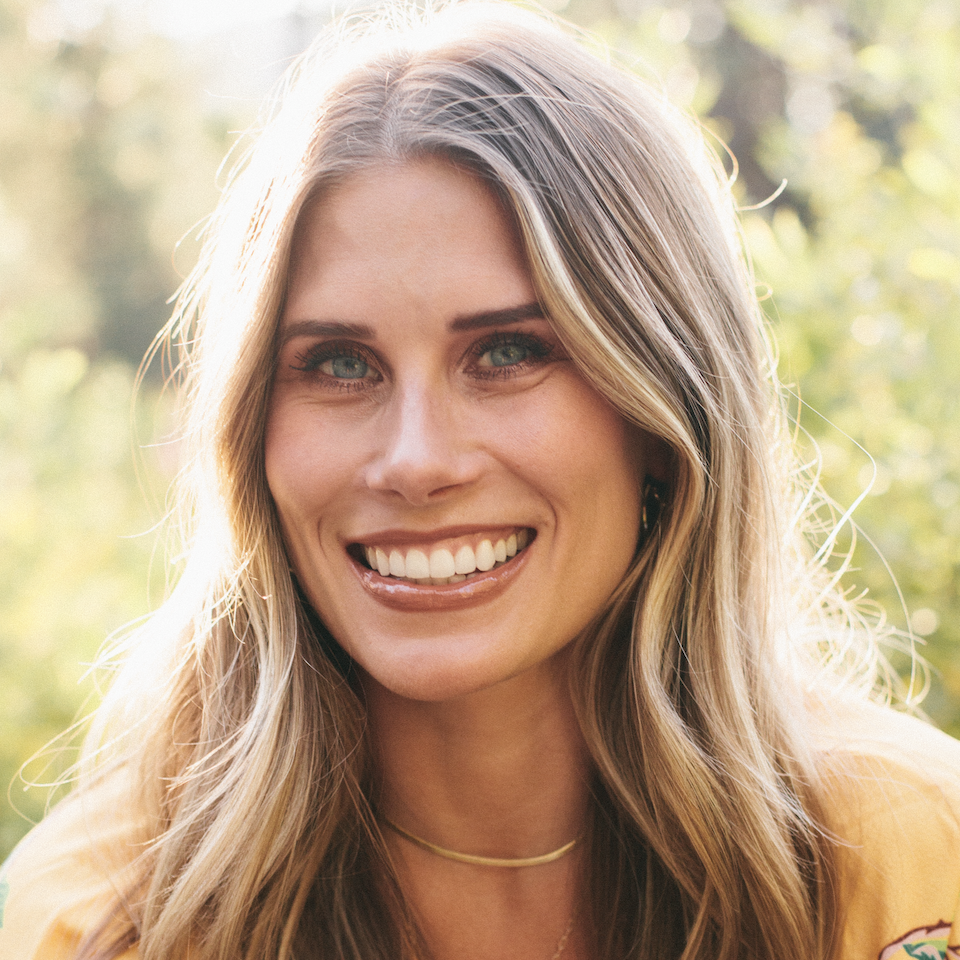
Co-founder of The Medicin / New mom
Meagan (Mimi) Lindquist is the co-founder of The Medicin, alongside her husband Chase. Together they provide high potency, high quality mushroom products to the world. With her background as a clinical dental hygienist, culinary nutrition guide, and AHCC educator, she has been helping others prevent disease for over 12 years. Now, Mimi has dedicated herself entirely to sharing the benefits of Immune Intel AHCC, a mushroom product unlike any other, to as many people as possible.
